

logo
Over ons
China Jixiang Siji Industrial Co., Ltd.
Over ons
Jixiang Siji Industrial Co., Ltd.
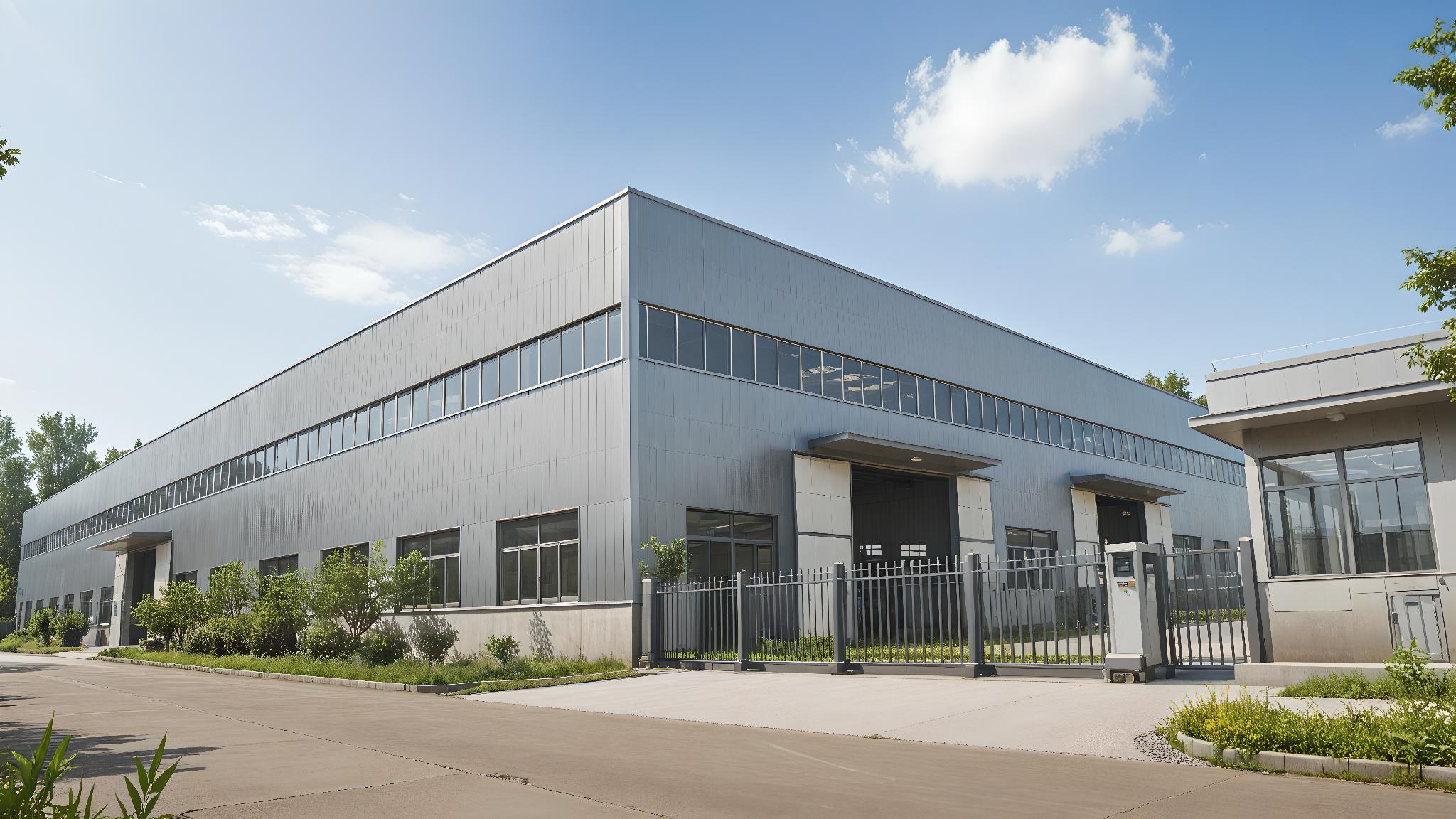
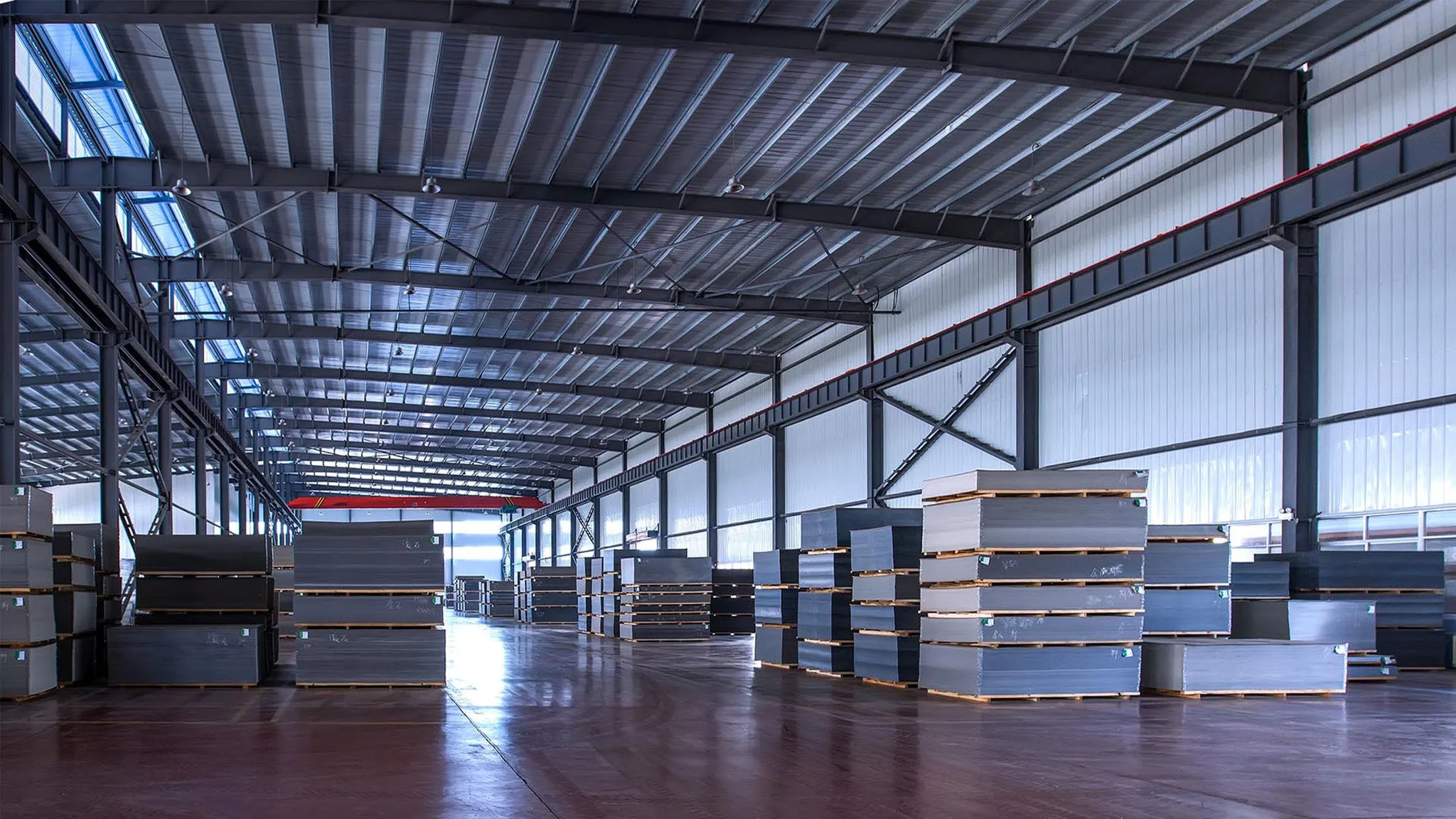
Alushang is een merk van Jixiang Siji Industrial Co.. Ltd., gespecialiseerd in diepe verwerking en externe spuiting van aluminium composietpanelen, fineer, honingraatpanelen, golfpanelen en plafonds.De eerste fase-investering bedraagt 30 miljoen RMB, met een fabrieksoppervlakte van 30000 vierkante meter. Het is gelegen in het achterland van de Centrale Vlakte, met handige transportmogelijkheden en grenzend aan een hoogwaardig distributiecentrum voor aluminium platen, met de voordelen van ...
Lees meer
Verzoek A Citaten
0+
Jaarverkoop
0
Jaar
Klanten
0%
P.C.
0+
Werknemers
Wij leveren
De beste service!
U kunt op verschillende manieren contact met ons opnemen.
Contacteer ons
Jixiang Siji Industrial Co., Ltd.

kwaliteit PE-aluminiumcompositpaneel & Brand Geschat Aluminium Samengesteld Comité fabriek

Evenementen
Het laatste bedrijf nieuws over Common Facade Material Risks in Southeast Asia and How PVDF ACP Helps Reduce Them
Common Facade Material Risks in Southeast Asia and How PVDF ACP Helps Reduce Them

2026-06-30

/* Unique class name for encapsulation */ .gtr-container-f7h2k3 { font-family: Verdana, Helvetica, "Times New Roman", Arial, sans-serif; color: #333; line-height: 1.6; padding: 15px; max-width: 100%; box-sizing: border-box; } .gtr-container-f7h2k3 { background-color: transparent; } .gtr-container-f7h2k3 { border: none; outline: none; } .gtr-container-f7h2k3 .gtr-heading { font-size: 18px; font-weight: bold; margin-top: 25px; margin-bottom: 15px; color: #3176FF; text-align: left; } .gtr-container-f7h2k3 p { font-size: 14px; margin-bottom: 15px; text-align: left !important; } .gtr-container-f7h2k3 strong { font-weight: bold; color: #333; } .gtr-container-f7h2k3 ul { list-style: none !important; padding-left: 20px; margin-bottom: 15px; } .gtr-container-f7h2k3 ul li { position: relative; padding-left: 20px; margin-bottom: 8px; font-size: 14px; text-align: left; list-style: none !important; } .gtr-container-f7h2k3 ul li::before { content: "•" !important; position: absolute !important; left: 0 !important; color: #3176FF; font-size: 1.2em; line-height: 1; top: 0; } .gtr-container-f7h2k3 ol { list-style: none !important; padding-left: 25px; margin-bottom: 15px; } .gtr-container-f7h2k3 ol li { position: relative; padding-left: 25px; margin-bottom: 8px; font-size: 14px; text-align: left; list-style: none !important; } .gtr-container-f7h2k3 ol li::before { content: counter(list-item) "." !important; position: absolute !important; left: 0 !important; color: #3176FF; font-size: 1em; line-height: 1; top: 0; width: 1.5em; text-align: right; } .gtr-container-f7h2k3 .gtr-table-wrapper { width: 100%; overflow-x: auto; margin-bottom: 20px; } .gtr-container-f7h2k3 table { width: 100%; border-collapse: collapse !important; border-spacing: 0 !important; min-width: 600px; font-size: 14px; text-align: left; } .gtr-container-f7h2k3 th, .gtr-container-f7h2k3 td { border: 1px solid #ccc !important; padding: 10px !important; text-align: left !important; vertical-align: top !important; word-break: normal; overflow-wrap: normal; } .gtr-container-f7h2k3 th { font-weight: bold !important; background-color: #f0f0f0; color: #333; } .gtr-container-f7h2k3 tr:nth-child(even) { background-color: #f9f9f9; } .gtr-container-f7h2k3 tr:nth-child(odd) { background-color: #ffffff; } @media (min-width: 768px) { .gtr-container-f7h2k3 { padding: 25px 40px; max-width: 960px; margin: 0 auto; } .gtr-container-f7h2k3 .gtr-heading { font-size: 22px; margin-top: 30px; margin-bottom: 20px; } .gtr-container-f7h2k3 p { font-size: 14px; margin-bottom: 18px; } .gtr-container-f7h2k3 ul { padding-left: 25px; } .gtr-container-f7h2k3 ul li { padding-left: 25px; } .gtr-container-f7h2k3 ul li::before { font-size: 1.3em; } .gtr-container-f7h2k3 .gtr-table-wrapper { overflow-x: visible; } .gtr-container-f7h2k3 table { min-width: auto; } } Introduction: Southeast Asia Is Not a Mild Climate Every building material performs differently under stress — and Southeast Asia delivers stress in abundance. With equatorial UV indexes routinely exceeding 10, monsoon-season relative humidity above 85%, and coastal salt spray in most major cities, facade materials in the region face an accelerated aging environment that exposes weaknesses far sooner than temperate-zone specifications would predict. The purpose of this article is not to claim that any material eliminates these risks entirely — no material does. Rather, it is to examine the three most common failure modes observed in Southeast Asian facades, and explain how PVDF ACP makes these risks controllable, predictable, and manageable — not avoided, but engineered into acceptable bounds. Risk 1: Premature Fading Color fading is the most visible — and often the earliest — sign of facade material degradation in tropical climates. Under sustained high-UV exposure, organic pigments and resin binders in coating systems undergo photochemical breakdown. The result is a measurable shift in color that progresses from subtle to obvious within a few years. What drives accelerated fading in Southeast Asia: Year-round high solar irradiance (daily peak UV Index 10–12) with no winter respite Dark-colored facades absorb more thermal energy, accelerating pigment degradation Combined effect of UV + humidity creates hydrolytic pathways that break down coating resins faster than UV alone With standard polyester coatings, color shift (ΔE > 3) is commonly observed within 18–30 months in equatorial exposure. PVDF coatings, by contrast, leverage the carbon-fluorine bond — one of the strongest covalent bonds in organic chemistry — which is virtually inert to UV photolysis. Independent weathering studies consistently show PVDF retaining over 80% of original gloss and ΔE under 2 after a decade or more of Florida exposure, a standard proxy for tropical conditions. Risk 2: Surface Chalking Chalking is the progressive degradation of the coating surface into a loose, powdery residue. It occurs when the polymer matrix of the coating breaks down under UV attack, leaving exposed pigment particles that can be wiped off by hand. While chalking begins as a cosmetic issue, it signals deeper coating failure and accelerates further degradation by increasing surface porosity. Why chalking is particularly aggressive in the region: UV photo-oxidation of the coating binder is continuous, not seasonal Frequent heavy rainfall washes away degraded surface material, constantly exposing fresh layers to UV attack — a cyclic erosion process Once chalking begins, the roughened surface traps dirt and biological growth (mold, algae), compounding aesthetic degradation PVDF coatings resist chalking through the inherent chemical stability of the fluoropolymer backbone. Unlike polyester or acrylic resins that contain UV-sensitive ester or ether linkages, the fully fluorinated PVDF structure offers no reactive sites for photo-oxidation to attack. The result is a coating that maintains surface integrity for 15–20+ years even under continuous equatorial exposure. Risk 3: Delamination and Structural Instability Delamination — the separation of the aluminum skin from the polyethylene core — is the most serious of the three risks because it transitions from aesthetic concern to structural hazard. When moisture penetrates through a degraded or micro-cracked coating and reaches the bond interface between aluminum and core, it initiates progressive bond failure that can spread across entire panel sections. Contributing factors in Southeast Asian conditions: Persistent high humidity maintains a constant moisture drive across the coating barrier Thermal cycling (diurnal swings of 10–15°C on dark surfaces) creates differential expansion between aluminum skin and PE core, mechanically stressing the adhesive bond Coastal salt deposition accelerates corrosion at any exposed aluminum edge or coating breach PVDF ACP addresses delamination risk through two mechanisms. First, the superior long-term integrity of the PVDF coating maintains an effective moisture barrier far longer than alternative coatings, preventing the water ingress that initiates bond failure. Second, the dimensional stability of PVDF under thermal cycling reduces coating micro-cracking, preserving the barrier function across years of expansion-contraction cycles. The Risk Philosophy: Controllable, Not Avoided No facade material — including PVDF ACP — can guarantee zero degradation in Southeast Asian conditions. Coatings will weather, colors will shift, and surfaces will age. The engineering question is not whether these things happen, but at what rate, with what predictability, and with what consequence. Risk Standard Coating (Polyester) PVDF Coating Risk Reduction Fading (ΔE > 3) 18–30 months 10+ years (ΔE < 2) 4–6× longer service window Chalking Onset 2–4 years 15–20+ years 5–7× longer surface integrity Delamination Risk Elevated after 5–8 years Minimal within 15–20 year window Barrier integrity maintained 3× longer Predictability Variable — batch and exposure dependent Highly consistent — well-documented weathering data Engineering-grade predictability PVDF ACP does not eliminate these risks. It compresses them into a much longer, more predictable timeline — converting unknowns into knowns, and allowing project stakeholders to plan maintenance cycles with confidence rather than react to surprises. Conclusion In Southeast Asia's high-UV, high-humidity environment, facade material selection is fundamentally a risk management exercise. Premature fading, surface chalking, and delamination are not rare exceptions — they are predictable consequences of material choices made at specification stage. PVDF ACP cannot make these risks disappear, but it can make them slow, measurable, and manageable across a 15–20 year service window. For developers, architects, and contractors who value predictability over short-term savings, that distinction is the entire business case.
Bekijk meer
Het laatste bedrijf nieuws over Why Color Consistency Matters in Large-Scale ACP Facade Projects: A Project Management Perspective
Why Color Consistency Matters in Large-Scale ACP Facade Projects: A Project Management Perspective

2026-06-30

/* Root container */ .gtr-container-x7y2z9 { font-family: Verdana, Helvetica, "Times New Roman", Arial, sans-serif; color: #333; line-height: 1.6; padding: 15px; box-sizing: border-box; } /* Headings (converted from h3) */ .gtr-container-x7y2z9 .gtr-heading-level3 { font-size: 18px; font-weight: bold; margin-top: 25px; margin-bottom: 15px; color: #3176FF; text-align: left; } /* Paragraphs */ .gtr-container-x7y2z9 p { font-size: 14px; margin-bottom: 1em; text-align: left !important; } /* Unordered List */ .gtr-container-x7y2z9 ul { list-style: none !important; padding-left: 20px; margin-bottom: 1em; } .gtr-container-x7y2z9 ul li { list-style: none !important; position: relative; padding-left: 20px; margin-bottom: 0.5em; font-size: 14px; text-align: left !important; } .gtr-container-x7y2z9 ul li::before { content: "•" !important; position: absolute !important; left: 0 !important; color: #3176FF; font-size: 1.2em; line-height: 1; } /* Ordered List */ .gtr-container-x7y2z9 ol { list-style: none !important; padding-left: 25px; margin-bottom: 1em; counter-reset: list-item; } .gtr-container-x7y2z9 ol li { display: list-item; list-style: none !important; position: relative; padding-left: 25px; margin-bottom: 0.5em; font-size: 14px; text-align: left !important; } .gtr-container-x7y2z9 ol li::before { content: counter(list-item) "." !important; position: absolute !important; left: 0 !important; color: #3176FF; font-size: 1em; line-height: 1; width: 1.5em; text-align: right; } /* Table styling */ .gtr-container-x7y2z9 .gtr-table-wrapper { width: 100%; overflow-x: auto; margin-top: 20px; margin-bottom: 20px; } .gtr-container-x7y2z9 table { width: 100%; border-collapse: collapse !important; border-spacing: 0 !important; font-size: 14px; min-width: 600px; } .gtr-container-x7y2z9 th, .gtr-container-x7y2z9 td { border: 1px solid #ccc !important; padding: 10px !important; text-align: left !important; vertical-align: top !important; word-break: normal; overflow-wrap: normal; } .gtr-container-x7y2z9 th { font-weight: bold !important; background-color: #f0f0f0; color: #333; } /* Zebra striping for table rows */ .gtr-container-x7y2z9 tbody tr:nth-child(even) { background-color: #f9f9f9; } /* Responsive design for PC */ @media (min-width: 768px) { .gtr-container-x7y2z9 { padding: 20px 40px; max-width: 960px; margin: 0 auto; } .gtr-container-x7y2z9 .gtr-heading-level3 { margin-top: 30px; margin-bottom: 20px; } .gtr-container-x7y2z9 .gtr-table-wrapper { overflow-x: visible; } .gtr-container-x7y2z9 table { min-width: auto; } } Introduction: The Hidden Challenge of Scale In small-scale facade projects, color consistency is rarely a concern — a single production batch covers the entire elevation, and the architect's specified RAL or Pantone reference is faithfully delivered. But when the project scales to tens of thousands of square meters across multiple buildings, zones, and installation phases, color consistency transforms from a quality checkmark into a project-level risk that demands proactive management. The reality of large-scale ACP facade construction introduces an unavoidable complexity: one facade, multiple batches, installed simultaneously across different zones by different crews. Without deliberate consistency management, what begins as a specification on paper can end as visible patchwork on the building. The Engineering Reality: Why Batches Differ Color variation between production batches is not a defect — it is a physical reality of industrial coating processes. Even with stringent quality control, the following factors introduce measurable variation: Coating Line Conditions: Slight variations in oven temperature profiles, line speed, and ambient humidity between production runs affect coating thickness, cure rate, and final surface reflectance — all of which influence perceived color. Raw Material Variation: Aluminum coil from different mill lots can exhibit subtle differences in surface texture and pretreatment response, altering how the coating bonds and reflects light. Pigment Dispersion: Even with precision metering equipment, pigment concentration in PVDF or polyester coatings can drift within tolerance bands (typically ±5%), producing ΔE values that are individually acceptable but visually cumulative across a large facade. Aging and Environmental Exposure: Panels from early batches installed months before later batches will have already begun their weathering journey, creating apparent color differences that are not manufacturing defects but differential aging effects. The Real Cost: Rework Risk and Schedule Impact When color inconsistency is discovered on-site — typically after multiple installation zones are complete — the consequences cascade through the project timeline and budget: Impact Area Description Typical Cost Multiplier Visual Inspection Failures Architect or client rejects installed panels due to visible color banding or patchwork appearance across zones — Panel Replacement Removing and replacing non-matching panels — requires new production, shipping, and reinstallation 3–5× original panel cost Schedule Delay Production lead time (4–8 weeks) plus reinstallation disrupts downstream trades and overall project milestones Penalty clauses, extended site overhead Reputational Damage A visibly inconsistent facade becomes a permanent advertisement of quality shortcomings for contractor and supplier alike Unquantifiable but lasting Dispute Resolution Assigning liability between coating supplier, panel fabricator, and installer consumes management resources and can lead to legal costs Variable, often substantial Consistency as a Project Management Discipline The most successful large-scale ACP projects treat color consistency not as a product specification to be verified on arrival, but as a project workflow to be managed from procurement through installation: Pre-Production Batch Planning: Map the total facade area against production capacity and determine the minimum number of batches required. Where possible, consolidate critical visible elevations into a single production run. Master Reference Panel: Establish a physical master panel signed off by all stakeholders before production begins. Every subsequent batch is compared against this single reference — not against the previous batch, which can allow gradual drift. Batch-to-Batch Measurement Protocol: Require colorimetry readings (L*a*b* values, ΔE) for each production batch against the master reference, with a defined rejection threshold (typically ΔE ≤ 1.0 for critical facades). Installation Zone Sequencing: Install panels from the same production batch within contiguous visual zones. Avoid mixing batches within a single elevation plane wherever possible. When transitions between batches are unavoidable, place them at architectural breaks (expansion joints, corners, floor lines) where the visual seam is naturally concealed. On-Site Dry Layout Verification: Before permanent fixing, conduct a dry layout of panels spanning the batch transition zone under natural daylight conditions. This 30-minute check can prevent weeks of rework. Conclusion Color consistency in large-scale ACP facade projects is fundamentally a project management challenge, not merely a product quality metric. While coating technology and factory QC are essential foundations, they cannot compensate for the absence of batch planning, installation sequencing, and on-site verification protocols. Contractors and specifiers who recognize this distinction — and invest in the management processes that bridge production and installation — deliver facades where color uniformity is not a pleasant surprise, but a planned outcome.
Bekijk meer
Het laatste bedrijf nieuws over PVDF ACP vs Polyester ACP: Choosing the Right Material for Long-Term Southeast Asia Exterior Projects
PVDF ACP vs Polyester ACP: Choosing the Right Material for Long-Term Southeast Asia Exterior Projects

2026-06-30

/* Unique root container for encapsulation */ .gtr-container-acp789 { font-family: Verdana, Helvetica, "Times New Roman", Arial, sans-serif; color: #333; line-height: 1.6; padding: 15px; max-width: 100%; box-sizing: border-box; margin: 0 auto; } /* Headings - converted from h3 to p with class */ .gtr-container-acp789 .gtr-heading-acp789 { font-size: 18px; font-weight: bold; color: #3176FF; margin-top: 1.5em; margin-bottom: 1em; text-align: left; } /* Paragraph styling */ .gtr-container-acp789 p { font-size: 14px; margin-bottom: 1em; text-align: left; } /* Strong/bold text */ .gtr-container-acp789 strong { font-weight: bold; } /* Unordered list styling */ .gtr-container-acp789 ul { list-style: none !important; margin: 0 0 1em 0 !important; padding: 0 !important; } .gtr-container-acp789 ul li { list-style: none !important; position: relative; padding-left: 20px; margin-bottom: 0.5em; font-size: 14px; text-align: left; } .gtr-container-acp789 ul li::before { content: "•" !important; position: absolute !important; left: 0 !important; color: #3176FF; font-size: 1.2em; line-height: 1; top: 0; } /* Ordered list styling */ .gtr-container-acp789 ol { list-style: none !important; margin: 0 0 1em 0 !important; padding: 0 !important; counter-reset: list-item; /* Reset counter for ordered list */ } .gtr-container-acp789 ol li { list-style: none !important; position: relative; padding-left: 25px; /* Adjust for number width */ margin-bottom: 0.5em; font-size: 14px; text-align: left; counter-increment: none; /* Increment counter for each list item */ } .gtr-container-acp789 ol li::before { content: counter(list-item) "." !important; position: absolute !important; left: 0 !important; color: #3176FF; font-weight: bold; width: 20px; /* Fixed width for numbers */ text-align: right; top: 0; } /* Table wrapper for responsiveness */ .gtr-container-acp789 .gtr-table-wrapper { overflow-x: auto; margin-bottom: 1.5em; } /* Table styling */ .gtr-container-acp789 table { width: 100%; border-collapse: collapse; border-spacing: 0; min-width: 600px; /* Ensure table is wide enough to scroll on small screens */ } .gtr-container-acp789 th, .gtr-container-acp789 td { padding: 10px 15px; border: 1px solid #ccc !important; /* Enforce border */ text-align: left; vertical-align: top; font-size: 14px; line-height: 1.4; } .gtr-container-acp789 th { font-weight: bold; background-color: #f0f0f0; /* Light background for header */ color: #333; } /* Zebra striping for table rows */ .gtr-container-acp789 tbody tr:nth-child(even) { background-color: #f9f9f9; } /* Responsive adjustments for PC screens */ @media (min-width: 768px) { .gtr-container-acp789 { padding: 25px; max-width: 960px; /* Constrain width for better readability on large screens */ } .gtr-container-acp789 .gtr-heading-acp789 { font-size: 20px; } .gtr-container-acp789 table { min-width: auto; /* Remove min-width on larger screens */ } } Introduction: The Southeast Asia Climate Reality When specifying aluminum composite panels (ACP) for exterior projects in Southeast Asia, architects and contractors face a decision that goes far beyond datasheet comparisons. The region's unique climate — characterized by intense year-round UV radiation, monsoon-driven humidity exceeding 80%, and salt-laden coastal air — creates a testing ground where material performance is measured not in laboratory conditions, but in real-world endurance over years of exposure. The question is not simply "which ACP is better," but rather: which material aligns with your project's lifecycle expectations and risk tolerance? Understanding the Environmental Stress Factors Southeast Asia presents a uniquely aggressive combination of environmental stressors that accelerate facade material degradation: High UV Radiation: Proximity to the equator means consistently high UV index levels (often 10–12) throughout the year, causing rapid photo-degradation of organic coatings and resins. Persistent High Humidity: Average relative humidity of 75–85% promotes hydrolysis, mold growth, and adhesive bond deterioration in panel core materials. Thermal Cycling: Daily temperature swings between 25°C and 38°C, combined with direct solar gain on dark surfaces, subject panels to continuous expansion-contraction stress. Coastal Salinity: Many key Southeast Asian markets (Singapore, Bangkok, Jakarta, Manila, Ho Chi Minh City) are coastal, adding salt-spray corrosion to the degradation equation. Polyester ACP: The Short-Cycle Solution Polyester (PE) coated ACP has long been the entry-level choice for exterior cladding, valued primarily for its cost-effectiveness and wide availability. In controlled or mild climates, PE coatings can deliver satisfactory performance for 3–7 years before visible degradation sets in. However, under Southeast Asian conditions, the limitations become apparent much sooner: UV-Induced Chalking and Fading: Polyester resins contain ester bonds that are inherently susceptible to UV photolysis. Within 12–24 months of equatorial exposure, PE-coated panels typically exhibit measurable gloss reduction (often exceeding 50%) and visible color shift (ΔE > 3). Humidity-Driven Delamination Risk: Moisture ingress through micro-cracks in weathered PE coatings can reach the polyethylene core, compromising the bond between aluminum skin and core material. This is particularly critical in buildings without adequate overhang or drip-edge protection. Short Maintenance Cycle: Projects relying on PE ACP in high-exposure Southeast Asian environments should budget for recoating or panel replacement within 5–8 years — a cost that can erase initial material savings. Best-fit applications for Polyester ACP in Southeast Asia: temporary structures, interior partitions, signage with limited exterior exposure, low-rise buildings with substantial shade, and projects with planned short lifecycles (under 5 years) where initial budget is the primary constraint. PVDF ACP: Engineered for Endurance Polyvinylidene fluoride (PVDF) coatings represent a fundamentally different approach to exterior durability. The carbon-fluorine bond — one of the strongest in organic chemistry — provides inherent resistance to UV degradation, chemical attack, and environmental weathering that polyester chemistry cannot match. Key performance advantages in Southeast Asian conditions: Superior UV Resistance: PVDF coatings routinely retain over 80% of original gloss after 10+ years of equatorial exposure. The fluoropolymer backbone is virtually inert to UV photolysis, meaning color stability (ΔE typically under 2) is maintained far longer than with PE alternatives. Moisture Barrier Integrity: PVDF's low surface energy and chemical stability create an effective long-term moisture barrier. Even after years of monsoon exposure, the coating resists hydrolysis and maintains its protective function against core delamination. Extended Service Life: Buildings clad with PVDF ACP in Southeast Asia typically require only cleaning maintenance for 15–20+ years before any recoating consideration — delivering substantially lower total cost of ownership when lifecycle is factored in. Self-Cleaning Properties: The low surface energy of PVDF also reduces dirt adhesion, helping facades maintain their appearance through seasonal rain washing — a practical advantage in regions with frequent rainfall. Comparative Summary Factor Polyester ACP PVDF ACP UV Resistance Moderate — fades within 2–3 years Excellent — 10+ years color stability Humidity Tolerance Limited — delamination risk after 5–8 years High — maintains barrier integrity long-term Typical Service Life (SE Asia) 5–8 years 15–20+ years Maintenance Cycle Recoat/replace every 5–8 years Cleaning only for 15+ years Initial Material Cost Lower Higher Lifecycle Cost (20yr TCO) Higher (incl. replacement cycles) Lower (single installation) Ideal Project Type Short-cycle, non-critical facade Long-term, engineering-stability priority The Decision Framework: Project Cycle × Risk Tolerance In Southeast Asian markets, the choice between Polyester and PVDF ACP is rarely about material grade hierarchy. Instead, it is a function of two intersecting variables: Project Lifecycle Expectation: Is this a 3-year pop-up commercial space or a 30-year institutional landmark? The longer the intended service period, the more the PVDF premium becomes a necessity rather than an option. Risk Tolerance Profile: What is the consequence of premature facade degradation? For a retail kiosk, faded panels are a cosmetic nuisance. For a corporate headquarters or luxury condominium, they represent reputational damage and potential safety liabilities. For project stakeholders operating in Southeast Asia, the engineering-first approach means evaluating these two factors honestly — and recognizing that the "cheaper" PE option may carry hidden lifecycle costs that only become visible under the region's unforgiving sun and rain. Conclusion There is no universally correct answer to the PVDF vs Polyester ACP question — only the answer that best fits your project's specific context. In Southeast Asia, where climate accelerates every degradation mechanism, the decision is ultimately a risk management calculation. Short-cycle, budget-driven projects with low failure consequence can be well-served by Polyester ACP. Projects where long-term facade integrity is non-negotiable should default to PVDF. The key is to make this choice consciously, with full awareness of the environmental realities that Southeast Asia brings to every exterior surface.
Bekijk meer
Het laatste bedrijf nieuws over PVDF-aluminiumcompositpanelen voor gevelprojecten in Zuidoost-Azië: een handleiding voor de selectie van ingenieurs
PVDF-aluminiumcompositpanelen voor gevelprojecten in Zuidoost-Azië: een handleiding voor de selectie van ingenieurs

2026-06-30

/* Unique root container for encapsulation */ .gtr-container-f8k2p5q9 { font-family: Verdana, Helvetica, "Times New Roman", Arial, sans-serif; color: #333; line-height: 1.6; padding: 15px; box-sizing: border-box; } /* Main title styling */ .gtr-container-f8k2p5q9 .gtr-title { font-size: 18px; font-weight: bold; color: #3176FF; margin-top: 0; margin-bottom: 1.5em; text-align: left !important; } /* Section title styling */ .gtr-container-f8k2p5q9 .gtr-section-title { font-size: 16px; font-weight: bold; color: #3176FF; margin-top: 2em; margin-bottom: 1em; text-align: left !important; } /* Paragraph styling */ .gtr-container-f8k2p5q9 p { font-size: 14px; margin-bottom: 1em; text-align: left !important; line-height: 1.6; word-break: normal; overflow-wrap: normal; } /* Unordered list styling */ .gtr-container-f8k2p5q9 ul { margin: 1em 0; padding-left: 20px; list-style: none !important; } .gtr-container-f8k2p5q9 ul li { position: relative; padding-left: 15px; margin-bottom: 0.5em; list-style: none !important; font-size: 14px; } .gtr-container-f8k2p5q9 ul li::before { content: "•" !important; position: absolute !important; left: 0 !important; color: #3176FF; font-size: 1.2em; line-height: 1; top: 0; } /* Ordered list styling */ .gtr-container-f8k2p5q9 ol { margin: 1em 0; padding-left: 25px; list-style: none !important; } .gtr-container-f8k2p5q9 ol li { position: relative; padding-left: 20px; margin-bottom: 0.5em; list-style: none !important; font-size: 14px; } .gtr-container-f8k2p5q9 ol li::before { content: counter(list-item) "." !important; position: absolute !important; left: 0 !important; color: #3176FF; font-weight: bold; width: 20px; text-align: right; top: 0; } /* Responsive adjustments for PC */ @media (min-width: 768px) { .gtr-container-f8k2p5q9 { padding: 20px 40px; max-width: 960px; margin: 0 auto; } } Waarom PVDF aluminium composietpanelen de gevelprojecten in Zuidoost-Azië domineren: een technische selectiegids Het tropische klimaat van Zuidoost-Azië, gekenmerkt door meedogenloze UV-straling, hoge relatieve vochtigheid en zoutnevel aan de kust, vormt een ernstige uitdaging voor de architecturale omgeving. Voor projecteigenaren, gevelingenieurs en B2B-inkoopmanagers in regio's als Vietnam, Thailand en de Filipijnen bepaalt de materiaalkeuze direct de levenscycluskosten van het project. Van de verschillende materialen zijn PVDF (polyvinylideenfluoride) aluminium composietpanelen (ACP) de industriestandaard geworden voor hoge vliesgevels en commerciële gevels. Deze gids geeft een uiteenzetting van de technische grondgedachte achter de selectie van PVDF ACP en biedt kritische risicobeheersing en prestatie-inzichten voor structurele duurzaamheid. Marktachtergrond: de architecturale tol van tropische klimaten In Zuidoost-Azië worden gevels voortdurend blootgesteld aan omgevingstemperaturen van meer dan 35 graden Celsius en intense blootstelling aan ultraviolette straling. Standaard polyester (PE) coatings worden onder deze omstandigheden snel afgebroken, wat binnen enkele jaren leidt tot verkrijting, microscheurtjes en ernstige kleurvervaging. Bovendien versnelt langdurige blootstelling aan zware moessonregens en hoge luchtvochtigheid de chemische verwering, waardoor delaminatie ontstaat als de hechting van de kern van de panelen en de coating in gevaar komt. Bijgevolg schrijven regionale bouwvoorschriften en Tier-1-aannemers strikt hoogwaardige buitenbekleding voor die deze elementen kan weerstaan. Doelgroep en toepassingsscenario's: waar risicobeperking het belangrijkst is De selectie van PVDF ACP is cruciaal voor specifieke toepassingen met hoge inzet: Hoge commerciële gebouwen: vliesgevels waar onderhoud na de installatie of vervanging van panelen extreme kosten en logistieke problemen met zich meebrengt. Infrastructuur en openbare centra: luchthavens, transitstations en overheidscomplexen die een gecertificeerde levensduur van meer dan 15 tot 20 jaar vereisen. Kustontwikkelingen: Stedelijke projecten gelegen nabij kustlijnen, die geavanceerde weerstand vereisen tegen door chloride veroorzaakte corrosie en atmosferische zoutnevel. Voor B2B-kopers en -ontwikkelaars gaat het kiezen van de juiste paneelspecificatie niet alleen om esthetiek; het is een oefening in structurele risicobeheersing. Onze oplossing: Engineered PVDF ACP voor maximale duurzaamheid Om tropische verwering tegen te gaan, maakt onze fabriek gebruik van een geavanceerd 70 procent Kynar 500 of Hylar 5000 PVDF fluorpolymeerharscoatingsysteem. Deze chemische structuur beschikt over zeer stabiele koolstof-fluorbindingen die bestand zijn tegen UV-degradatie, waardoor de kleurintegriteit en het glansbehoud behouden blijven onder langdurige zonnestraling. Ons productieproces garandeert robuuste fysieke eigenschappen die zijn ontworpen voor zware omstandigheden: Totale paneeldikte: 4,0 mm of 5,0 mm. Dit optimaliseert de structurele stijfheid en de weerstand tegen windbelasting. Dikte aluminium huid: 0,40 mm of 0,50 mm (bij gebruik van AA3003 of AA5005). Dit voorkomt het inblikken van olie en zorgt voor vlakke geveloppervlakken. Laagdikte laag: meer dan of gelijk aan 25 micron (2-laags of 3-laags systeem). Dit vormt een langdurige barrière tegen chemische corrosie. Glansbehoud: Voldoet aan de AAMA 2605-normen. Dit garandeert minimale kleurverschuiving gedurende meer dan 15 jaar. Door gebruik te maken van hoogwaardige aluminiumlegeringen leveren onze panelen optimale treksterkte en thermische stabiliteit, waarbij ze de structurele spanningen absorberen die worden veroorzaakt door snelle temperatuurschommelingen tussen tropische middagzon en plotselinge regenbuien. Klantcases en veldfeedback: prestaties in de praktijk Prestatiegegevens ter plaatse bevestigen deze technische keuzes. Een groot commercieel hoogbouwproject in Haiphong, Vietnam, heeft onlangs de externe bekleding gecontroleerd na jarenlange blootstelling aan kustvochtigheid en hoge UV-indexen. De technische inspectie rapporteerde geen tekenen van blaarvorming, geen delaminatie op de interfaces en een kleurafwijking ruim binnen aanvaardbare structurele grenzen. Het projecttechnische team merkte op dat het gebruik van de 4 mm met 0,50 mm PVDF-specificatie hun langetermijnbudget voor gebouwonderhoud aanzienlijk verlaagde in vergelijking met alternatieve materialen. Conclusie: Optimalisatie van de ROI van gevels op lange termijn Om de juiste externe bekleding te selecteren, moeten de aanschafkosten vooraf worden afgewogen tegen de onderhoudsverplichtingen op de lange termijn. PVDF aluminium composietpanelen bieden een technisch verantwoorde oplossing voor de veeleisende klimaten van Zuidoost-Azië en leveren kleurstabiliteit, corrosieweerstand en structurele betrouwbaarheid. Voor commerciële projecten die gecertificeerde technische veiligheid en langere levensduur vereisen, blijft investeren in geverifieerde PVDF-coatingtechnologie de veiligste manier om architecturale activa te beschermen.
Bekijk meer
Het laatste bedrijf nieuws over Technische inzichten: Material Selection Guide for Wood Grain ACP under SE Asian High-UV Facades
Technische inzichten: Material Selection Guide for Wood Grain ACP under SE Asian High-UV Facades

2026-06-08

.gtr-container-f5h7k9m2 { font-family: Verdana, Helvetica, "Times New Roman", Arial, sans-serif; color: #333; line-height: 1.6; padding: 16px; max-width: 100%; box-sizing: border-box; margin: 0; } .gtr-container-f5h7k9m2 p { font-size: 14px; margin-bottom: 1em; text-align: left !important; word-break: normal; overflow-wrap: normal; } .gtr-container-f5h7k9m2 .gtr-title { font-size: 18px; font-weight: bold; color: #3176FF; margin-bottom: 1.5em; text-align: left; } .gtr-container-f5h7k9m2 .gtr-subtitle { font-size: 16px; font-weight: bold; color: #333; margin-top: 2em; margin-bottom: 1em; text-align: left; } .gtr-container-f5h7k9m2 .gtr-sub-subtitle { font-size: 14px; font-weight: bold; color: #555; margin-top: 1.5em; margin-bottom: 0.8em; text-align: left; } .gtr-container-f5h7k9m2 ul { list-style: none !important; padding-left: 20px; margin-bottom: 1em; margin-top: 0; } .gtr-container-f5h7k9m2 ul li { position: relative; padding-left: 20px; margin-bottom: 0.8em; font-size: 14px; text-align: left !important; list-style: none !important; } .gtr-container-f5h7k9m2 ul li::before { content: "•" !important; position: absolute !important; left: 0 !important; color: #3176FF; font-size: 16px; line-height: 1.6; } .gtr-container-f5h7k9m2 strong { font-weight: bold; } @media (min-width: 768px) { .gtr-container-f5h7k9m2 { padding: 24px; max-width: 960px; margin: 0 auto; } .gtr-container-f5h7k9m2 .gtr-title { font-size: 20px; } .gtr-container-f5h7k9m2 .gtr-subtitle { font-size: 18px; } } Technische inzichten: Material Selection Guide for Wood Grain ACP under Southeast Asian High-UV Facade Climates In Zuidoost-Aziatische regio's met lage breedtegraden zoals Vietnam, de Filipijnen en Maleisië worden architecturale gevels voortdurend blootgesteld aan wisselende omstandigheden van hoge luchtvochtigheid, verhoogde temperaturen,en intense ultraviolette (UV) stralingHet echte hout wordt snel vervangen door houtgraan aluminiumcomposite panelen (ACP) vanwege de gevoeligheid voor rot, termietenbesmetting en hoge onderhoudskosten.verhindering van vervaagde gevels van houtkorrelsHet is een belangrijke technische uitdaging bij de selectie van projectmateriaal. Deze technische gids zal vanuit drie dimensies de oppervlakte-materiaalwetenschappen, de coatingsdikte,en testnormen•hoe de lange-termijnkleurbehoud van buitenste houtkorrelpanelen kan worden gewaarborgd door parametrische controle. Kerntechnische parameters voor materiaalkeuze Om objectieve gronden te leggen voor een hoge betrouwbaarheid van het materiaal, moet de keuze van de buitenwand strikt afgestemd zijn op de volgende technische grenzen: PVDF-inhoud:Mechanisme: sluit moleculaire bindingen om UV-fotochemische afbraak te weerstaan. Beschermingsdikte:Mechanisme: biedt bescherming tegen erosie en krijt. Aluminiumlegeringsgraad:AA3003 of AA5005 (roestbestendige mangaan/magnesiumlegering). Weerstandarden:Conform ASTM G154 of ISO 4892-2. Mechanisme: simuleert duizenden uren UV/condensaatcycli zonder scheuren. Waarom is 70% PVDF-coating de "harde standaard" voor tropische gevels? Hars chemische bindingen en UV-weerstand Ultraviolette stralen met een hoge energie in het zonnespektrum, met name de UV-A- en UV-B-banden, breken de chemische bindingen van polymeren in standaard polyester (PE) coatings.Dit leidt tot splitsing en afbraak van de macromoleculaire keten., die zich macroscopisch manifesteert als wazig en witte houtkorrelteksturen op buitenwanden. De reden waarom 70% fluorkoolstofharscoatings (PVDF) de kleurstabiliteit behouden, ligt in de uiterst stabiele fluor-koolstofbinding (F-C-binding) die in polyvinylideenfluoride is vervat.De bindingsenergie is zo hoog als 485 kJ/mol, die aanzienlijk groter is dan de fotonenergie van intense tropische UV-straling.de PVDF-coating is bestand tegen fotochemische erosie, die de onderliggende inktlaag van houtkorrels beschermt tegen UV-destructie, die wordt gevormd door thermische overdracht of rollercoating. De technische betekenis van een 25 micrometer dikke laag tegen kalk Bestaat bestand tegen oppervlakte-erosie en fysieke slijtage Naast fotochemische reacties, frequente tyfoons, zware regenval,en door de wind geblazen zand in de kustgebieden van Zuidoost-Azië veroorzaken voortdurend spoelen en fysieke slijtage van het paneeloppervlakAls de coating te dun is, is de oppervlakte laag zeer gevoelig voor kalk na de eerste UV-veroudering, en zal worden weggespoeld door regenwater, rechtstreeks blootstelling van de interne houtkorrel inkt. De totale oppervlakte-coatingdikte van buitenste ACP-houten korrels moet worden gecontroleerd op 25 micrometer of dikker.Het gebruik van een meervoudig proces van continue hoogtemperatuurrolcoating en een beschermende transparante laag zorgt voor een adequaat fysiek schild voor de gevel. Zelfs wanneer de laag langdurig onderhevig is aan afwisselende vochtige hitte en regen/zand erosie, zal het natuurlijke jaarlijkse verlies van de laag op microniveau de kernhoutschaal niet beschadigen binnen de levensduur ervan,het voorkomen van oppervlakte-delaminatie en lokale kleurvariantie. Conclusies en advies inzake de selectie van ingenieurs Bij de aanbesteding van de toeleveringsketen voor multi-tonen houtkorrel gevelprojecten in Zuidoost-Azië,technische operaties en inkoopteams moeten voorkomen dat zij dunne PE-gecoate panelen gebruiken die alleen voldoen aan de normen voor interieurversieringDoor de parametrische gesloten lus van 70% PVDF-harsgehalte, een totale laagdikte van minimaal 25 micrometer en hoogwaardige basislegeringen zoals AA3003 te vergrendelen,moderne architectonische gevels kunnen een hoge mate van vlakheid en visuele consistentie behouden terwijl ze het extreme tropische klimaat weerstaan.
Bekijk meer
Laatste zaak van het bedrijf over Schaal en levering: Betrouwbare ACP-levering van marmer voor grootschalige projecten
Schaal en levering: Betrouwbare ACP-levering van marmer voor grootschalige projecten

2026-04-02

.gtr-container-g7h2k4 { font-family: Verdana, Helvetica, "Times New Roman", Arial, sans-serif; color: #333; padding: 15px; line-height: 1.6; font-size: 14px; max-width: 100%; box-sizing: border-box; } .gtr-container-g7h2k4 p { margin-bottom: 1em !important; text-align: left !important; font-size: 14px !important; } .gtr-container-g7h2k4 strong { font-weight: bold !important; color: #0000FF !important; } .gtr-container-g7h2k4__heading { font-size: 18px !important; font-weight: bold !important; color: #0000FF !important; margin-bottom: 1.5em !important; text-align: left !important; } .gtr-container-g7h2k4 ul { list-style: none !important; padding-left: 25px !important; margin-bottom: 1em !important; } .gtr-container-g7h2k4 ul li { position: relative !important; margin-bottom: 8px !important; padding-left: 15px !important; line-height: 1.6 !important; text-align: left !important; list-style: none !important; } .gtr-container-g7h2k4 ul li::before { content: "•" !important; position: absolute !important; left: 0 !important; color: #0000FF !important; font-size: 16px !important; top: 0px !important; line-height: 1.6 !important; } .gtr-container-g7h2k4 ul li p { margin-bottom: 0 !important; list-style: none !important; } .gtr-container-g7h2k4 ol { list-style: none !important; padding-left: 30px !important; margin-bottom: 1em !important; } .gtr-container-g7h2k4 ol li { position: relative !important; margin-bottom: 8px !important; padding-left: 25px !important; line-height: 1.6 !important; text-align: left !important; list-style: none !important; } .gtr-container-g7h2k4 ol li::before { content: counter(list-item) "." !important; position: absolute !important; left: 0 !important; color: #0000FF !important; font-weight: bold !important; font-size: 14px !important; width: 20px !important; text-align: right !important; top: 0px !important; line-height: 1.6 !important; } .gtr-container-g7h2k4 ol li p { margin-bottom: 0 !important; list-style: none !important; } @media (min-width: 768px) { .gtr-container-g7h2k4 { padding: 25px; max-width: 800px; margin: 0 auto; } .gtr-container-g7h2k4__heading { font-size: 18px !important; } } Schaal & Levering: Betrouwbare Marmeren ACP Levering voor Grootschalige Projecten 1. Betrouwbare Levering voor Grootschalige Constructie In de snel veranderende bouwmarkten van Vietnam en Indonesië zijn projecttijdlijnen afhankelijk van een stabiele materiaalvoorziening. Het kiezen van een fabriek met een hoge capaciteit is de beste manier om kostbare vertragingen ter plaatse te voorkomen. 2. Onze Kracht: Consistente Productie met Hoge Capaciteit Gevestigd in Wen County, Henan, is onze productiefaciliteit gericht op een hoge efficiëntie: Continue Productie: Onze lijnen draaien met een hoge omloopsnelheid om te voldoen aan de eisen van zowel de binnenlandse als de internationale markt. Klaar voor Volume: We zijn uitgerust om grootschalige bestellingen (duizenden vierkante meters) te verwerken met behoud van de structurele normen die vereist zijn voor moderne gevels. 3. Hoogenergetische Logistiek & Verzending Capaciteit We hanteren een rigoureus dagelijks laadschema om ervoor te zorgen dat aan de projectvereisten wordt voldaan: Dagelijkse Vlootoperaties: De constante activiteit van zwaar transport bij onze fabriekspoorten is een directe weerspiegeling van onze robuuste dagelijkse productie en betrouwbare logistiek. Veilige Lading: Ons team zorgt ervoor dat elke pallet professioneel wordt versterkt voor langeafstandstransporten over landsgrenzen heen, zowel over de weg als per zeecontainer. Directe Fabrieks Export: Door alles te beheren, van de productievloer tot het laaddock, bieden we onze klanten directe prijzen en duidelijke leveringsvensters. 4. Het Voordeel van Samenwerken met een Actieve Fabriek Bewezen Marktvertrouwen: Een hoog verzendvolume is de meest eerlijke indicator van productconcurrentievermogen en fabrieksbetrouwbaarheid. Schaalbare Oplossingen: We bieden praktische, hoogwaardige Marmeren ACP (3 mm/4 mm) die is afgestemd op de behoeften van professionele bouwers in de praktijk.
Bekijk meer
Laatste zaak van het bedrijf over [Case study] A2 brandwerend marmer ACP: 9,0 N/mm Schilfsterkte voor kustprojecten
[Case study] A2 brandwerend marmer ACP: 9,0 N/mm Schilfsterkte voor kustprojecten

2026-04-02

.gtr-container-mfg456 { font-family: Verdana, Helvetica, "Times New Roman", Arial, sans-serif; color: #333; line-height: 1.6; padding: 15px; box-sizing: border-box; max-width: 100%; overflow-x: hidden; } .gtr-container-mfg456-main-title p { font-size: 18px; font-weight: bold; color: #0000FF; margin-top: 0; margin-bottom: 20px; text-align: left !important; } .gtr-container-mfg456-section-heading p { font-size: 16px; font-weight: bold; color: #333; margin-top: 25px; margin-bottom: 15px; text-align: left !important; } .gtr-container-mfg456 p { font-size: 14px; margin-bottom: 10px; text-align: left !important; word-break: normal; overflow-wrap: normal; } .gtr-container-mfg456 strong { font-weight: bold; color: #0000FF; } .gtr-container-mfg456 ul { list-style: none !important; padding-left: 0; margin-top: 10px; margin-bottom: 10px; } .gtr-container-mfg456 ul li { position: relative; padding-left: 20px; margin-bottom: 8px; font-size: 14px; text-align: left; list-style: none !important; } .gtr-container-mfg456 ul li::before { content: "•" !important; color: #0000FF; font-size: 14px; position: absolute !important; left: 0 !important; top: 0; line-height: 1.6; } .gtr-container-mfg456 ul li p { margin: 0; font-size: 14px; text-align: left !important; list-style: none !important; } @media (min-width: 768px) { .gtr-container-mfg456 { padding: 25px; } } [Casestudy] A2 Brandwerende Marmer ACP: 9,0 N/mm Peelsterkte voor Kustprojecten Technische Analyse: Oplossen van Delaminatie in Omgevingen met Hoge Vochtigheid 1. De Uitdaging in Zuidoost-Azië In kustregio's zoals Vietnam en Indonesië veroorzaken hoge luchtvochtigheid (RV >80%) en zoutnevel vaak dat traditionele ACP loslaat of vervaagt. B2B-kopers hebben een oplossing nodig die het moessonseizoen overleeft zonder structurele falen. 2. Onze Oplossing: A2 Grade Marmer ACP We hebben een gespecialiseerd Marmer Aluminium Composietpaneel ontwikkeld dat prioriteit geeft aan kernstabiliteit en coatingintegriteit: Niet-brandbare Kern:>90% anorganisch mineraalgehalte (A2 Grade). Beschermende Coating: 25um - 28um PVDF (Kynar 500) voor 20 jaar UV-bestendigheid. Visuele Consistentie: Batch-gecontroleerde marmerpatronen met Delta E = 9,0 N/mm (Overtreft de industriestandaard van 7,0 N/mm). Zoutnevelbestendigheid: Geslaagd voor 500-uurs ASTM B117 test met nul corrosie. Oppervlaktehardheid: >= 2H Krasbestendigheid. 4. Waarom Kiezen voor Dit voor Uw Project? Veiligheid: Voldoet aan brandvoorschriften voor hoogbouw. Duurzaamheid: Ontworpen voor zware tropische en kustklimaten. Efficiëntie: 60% lichter dan natuursteen, wat de installatietijd en structurele belasting vermindert.
Bekijk meer
Laatste zaak van het bedrijf over aluminium composiet paneel Prestatiediversificatie
aluminium composiet paneel Prestatiediversificatie

2026-01-18

.gtr-container-fgh789 { font-family: Verdana, Helvetica, "Times New Roman", Arial, sans-serif; color: #333; line-height: 1.6; padding: 15px; box-sizing: border-box; } .gtr-container-fgh789 ul { list-style: none !important; margin: 0; padding: 0; } .gtr-container-fgh789 li { list-style: none !important; position: relative; padding-left: 25px; margin-bottom: 15px; font-size: 14px; text-align: left; color: #444; } .gtr-container-fgh789 li::before { content: "•" !important; position: absolute !important; left: 0 !important; top: 0; color: #007bff; /* Industrial blue accent */ font-size: 18px; line-height: 1.6; } .gtr-container-fgh789 .gtr-highlight-text { font-weight: bold; font-size: 16px; color: #222; } @media (min-width: 768px) { .gtr-container-fgh789 { padding: 25px 40px; } .gtr-container-fgh789 li { margin-bottom: 20px; font-size: 15px; } .gtr-container-fgh789 li::before { font-size: 20px; } .gtr-container-fgh789 .gtr-highlight-text { font-size: 18px; } } Prestatiediversificatie:Van gebouwgevels tot extreme omgevingen zoals de ruimte en de diepzee Waardediversificatie:Van een beschermende functie tot een energieproducent, een koolstofputdrager en een data-interface. Levenscyclusintelligentie:Het bereiken van volledige traceerbaarheid en beheer van materialen via digitale paspoorten Het versterken van humanistische sympathie:Het versterken van de culturele cohesie van openbare ruimtes door dynamische interactie
Bekijk meer
Laatste zaak van het bedrijf over 4 mm brandvertragend PVDF ACP-paneel voor buitenmuurbekleding en gevel van gebouwen
4 mm brandvertragend PVDF ACP-paneel voor buitenmuurbekleding en gevel van gebouwen

2026-01-17

/* Unieke klasse voor inkapseling */ .gtr-container-f8d1e7 { font-family: Verdana, Helvetica, "Times New Roman", Arial, sans-serif; color: #333; line-height: 1.6; padding: 15px; max-width: 100%; box-sizing: border-box; text-align: left; } /* Titel styling */ .gtr-container-f8d1e7 .gtr-title { font-size: 18px; font-weight: bold; margin-bottom: 20px; color: #0056b3; text-align: left; } /* Lijst styling */ .gtr-container-f8d1e7 ul { list-style: none !important; padding-left: 25px !important; margin: 0 0 15px 0 !important; } .gtr-container-f8d1e7 ul li { position: relative !important; margin-bottom: 10px !important; padding-left: 15px !important; text-align: left !important; font-size: 14px !important; list-style: none !important; } /* Aangepaste opsommingsteken voor hoofdlijstitems */ .gtr-container-f8d1e7 ul li::before { content: "•" !important; position: absolute !important; left: 0 !important; color: #0056b3 !important; font-size: 16px !important; line-height: 1.6 !important; } /* Geneste lijst styling */ .gtr-container-f8d1e7 ul ul { margin-top: 5px !important; margin-bottom: 5px !important; padding-left: 20px !important; } /* Aangepaste opsommingsteken voor geneste lijstitems */ .gtr-container-f8d1e7 ul ul li::before { content: "–" !important; color: #555 !important; font-size: 14px !important; } /* Sleuteltermen in lijstitems */ .gtr-container-f8d1e7 strong { font-weight: bold !important; color: #333 !important; } /* Responsieve aanpassingen voor pc */ @media (min-width: 768px) { .gtr-container-f8d1e7 { padding: 25px; max-width: 900px; margin: 0 auto; } .gtr-container-f8d1e7 .gtr-title { font-size: 20px; } } Materialen benodigd voor de installatie van aluminium composiet paneel gevels Paneel: Aluminium composiet paneel (ACP), meestal 4 mm dik (0,5 mm aluminium plaat + 3 mm polyethyleen/gemicrooniseerd vezelkern + 0,5 mm aluminium plaat). Ondersteunend frame: Meestal gemaakt van aluminiumlegering profielen (kolommen, balken) of stalen profielen (voor grotere overspanningen), het wordt verbonden met de hoofdstructuur via verbindingscomponenten. Verbindingssysteem: Randbevestiging: Meestal worden aluminium hoekblokken (oren) en bouten (verzonken kop of platte kop) gebruikt om de gevouwen rand van de plaat met het frame te verbinden. Paneelnaadbehandeling: Gebruik kit (weerbestendige siliconenkit) voor waterdichte afdichting, en het kan vergezeld gaan van het gebruik van schuimrugstrips. Isolatiesysteem: Vul de holte van het frame met isolatiematerialen (zoals steenwol, glaswol) en installeer een waterdicht ademend membraan en een achterplaat (zoals gegalvaniseerde staalplaat, aluminium plaat) aan de binnenkant. Hulpmaterialen: Omvat pakkingen, isolerende pakkingen (om elektrochemische corrosie te voorkomen), etc.
Bekijk meer
Laatste zaak van het bedrijf over Aluminiumcomposietpanelen voor het bouwen van buiten- en binnenmuurbekledingsmaterialen
Aluminiumcomposietpanelen voor het bouwen van buiten- en binnenmuurbekledingsmaterialen

2026-01-14

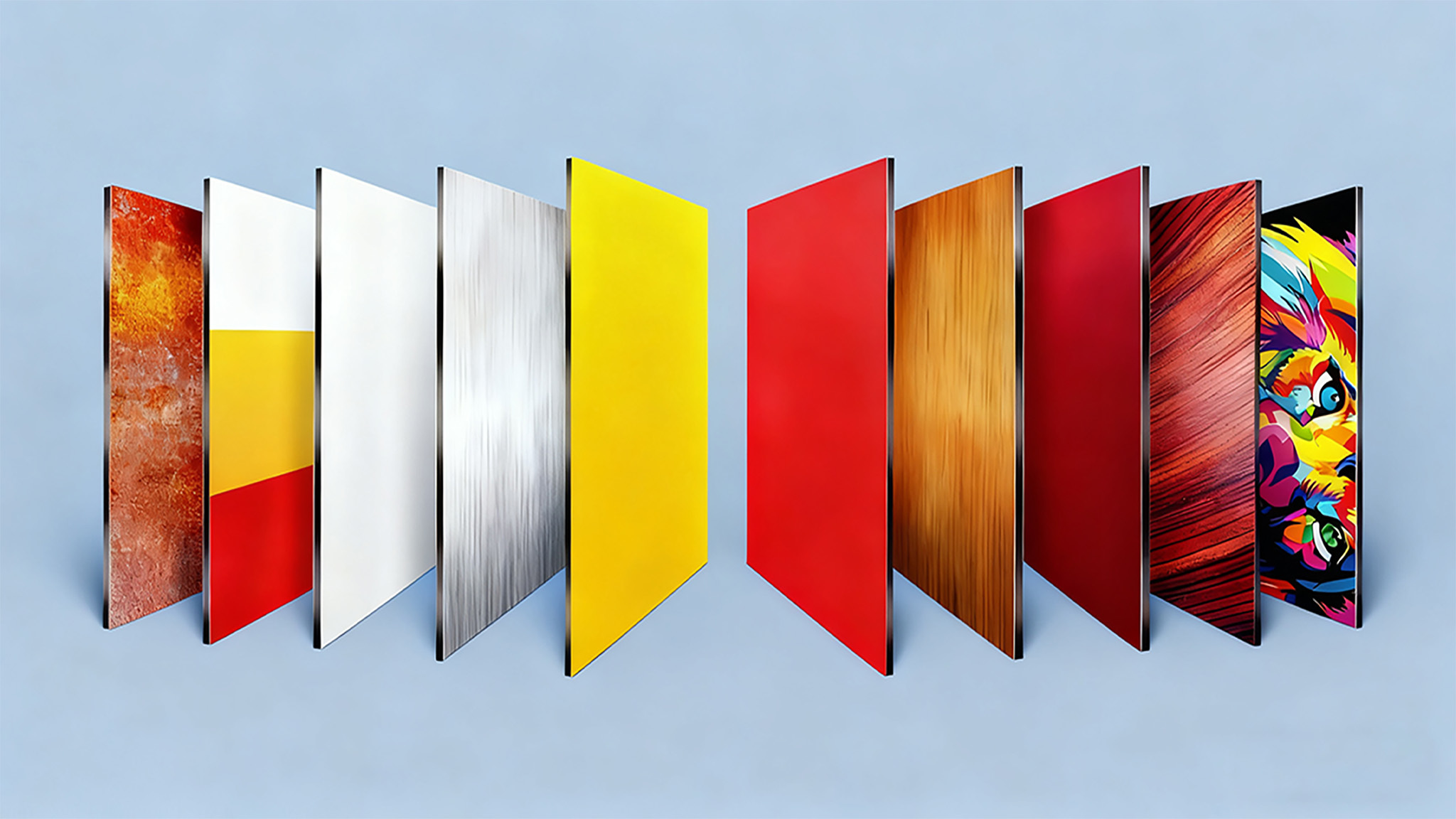
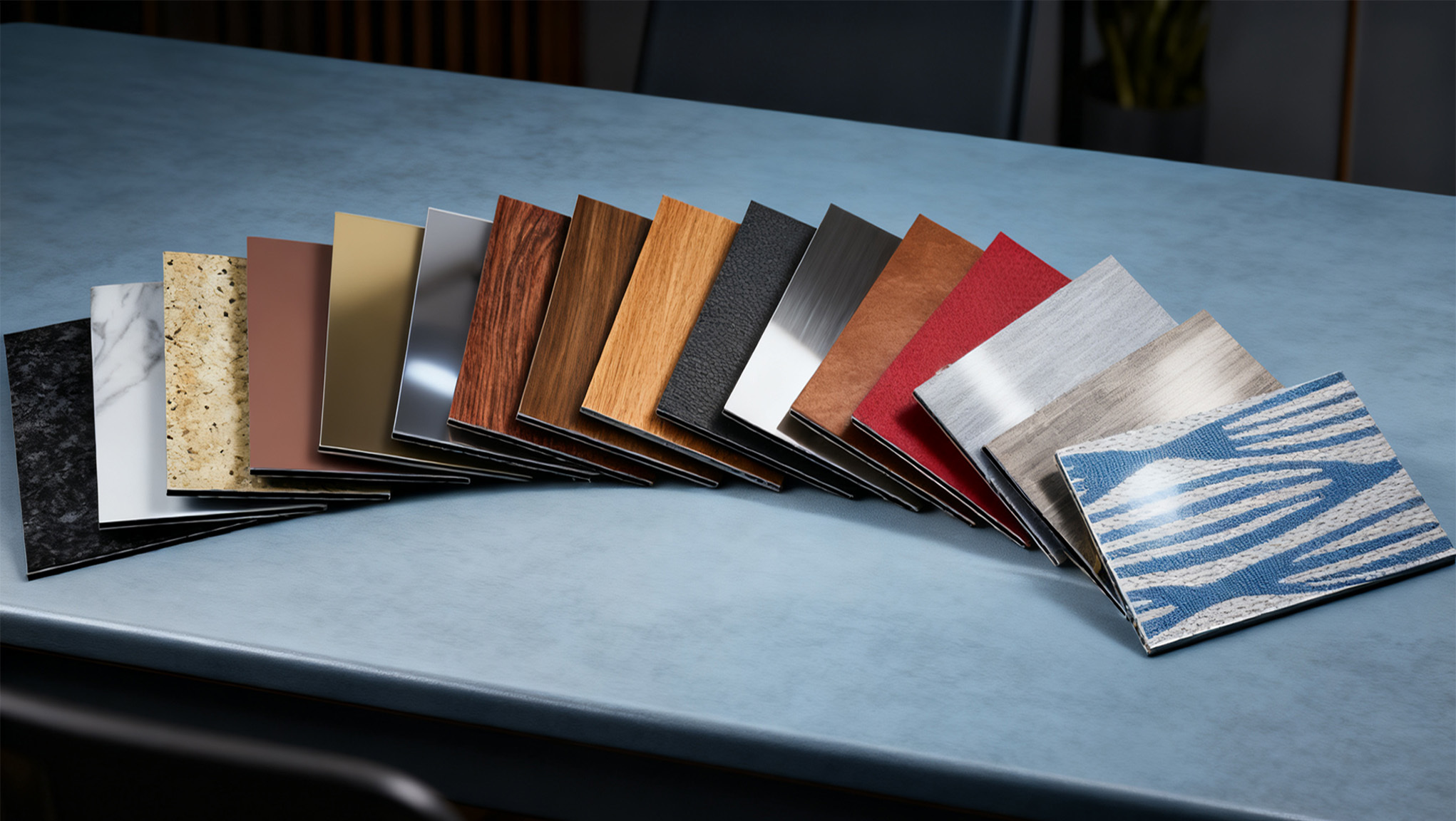
.gtr-container-7f8g9h { font-family: Verdana, Helvetica, "Times New Roman", Arial, sans-serif; color: #333; line-height: 1.6; padding: 20px; max-width: 960px; margin: 0 auto; box-sizing: border-box; } .gtr-container-7f8g9h p { font-size: 14px; margin-bottom: 1em; text-align: left !important; word-break: normal; overflow-wrap: normal; } .gtr-container-7f8g9h .gtr-heading-main { font-size: 18px; font-weight: bold; margin-bottom: 1.2em; color: #0056b3; text-align: left; } .gtr-container-7f8g9h .gtr-heading-sub { font-size: 18px; font-weight: bold; margin-top: 1.5em; margin-bottom: 1em; color: #0056b3; text-align: left; } .gtr-container-7f8g9h .gtr-reason-list { list-style: none !important; padding-left: 0; margin-left: 25px; margin-bottom: 1em; counter-reset: list-item; } .gtr-container-7f8g9h .gtr-reason-list li { list-style: none !important; position: relative; margin-bottom: 1em; padding-left: 25px; text-align: left; } .gtr-container-7f8g9h .gtr-reason-list li::before { content: counter(list-item) "." !important; position: absolute !important; left: 0 !important; font-weight: bold; color: #0056b3; width: 20px; text-align: right; } .gtr-container-7f8g9h .gtr-reason-title { font-weight: bold; font-size: 14px; color: #333; } @media (min-width: 768px) { .gtr-container-7f8g9h { padding: 30px 40px; } } Welk soort bouwmateriaal is geschikt voor openbare gelegenheden/civiele gebouwen? Het creëren van dynamische en unieke openbare ruimtes in de buitenlucht of binnen hoeft geen uitdaging te zijn. Deze ruimtes zijn bedoeld om de gemeenschap te betrekken en educatieve en recreatieve mogelijkheden te bevorderen. Vlamvertragende aluminium composietpanelen met brandwerendheidsklassen van A2 of B1 zijn de ideale keuze. Waarom? Een reden: Openbare plaatsen hebben een grote toestroom van mensen en extreem hoge brandveiligheidseisen. De kern van A2-kwaliteit (niet-brandbaar) of B1-kwaliteit (moeilijk ontvlambaar) platen maakt gebruik van vlamvertragende minerale kernen (zoals mineraalgevulde, halogeenvrije rookarme vlamvertragende materialen). Bij blootstelling aan vuur kunnen ze de verbranding effectief vertragen en giftige rook verminderen, waardoor kostbare tijd wordt gewonnen voor de evacuatie van personeel en brandweerredding. Een andere reden: Dit type paneel maakt meestal gebruik van dikkere hoogwaardige aluminium platen (zoals 4-serie aluminium dat vaak wordt gebruikt in buitenste gordijngevels) en sterke kernmaterialen. Het heeft een sterkere algehele stijfheid en weerstand tegen deuken en krassen, en is bestand tegen intensief gebruik en incidentele botsingen op openbare plaatsen. Aluminium composietpanelen zijn duurzaam, hebben lage onderhoudskosten en een langdurig goede uitstraling. De derde reden: Diverse kleuren en texturen: We kunnen alle RAL-kleuren, metallic kleuren, houtnerfimitatie, steennerfimitatie en vele andere kleuren en patronen leveren om aan verschillende ontwerpstijlen te voldoen. Het kan grootschalige, naadloze en continue visuele effecten bereiken, met een sterk modern gevoel. Aluminium composietpanelen hebben met succes "decoratieve esthetiek", "constructiegemak" en "duurzaamheid op lange termijn" gecombineerd, waardoor architecten en vastgoedeigenaren een efficiënte, betrouwbare en economische oplossing krijgen, van concept tot implementatie. Interessant, bel me gerust.
Bekijk meer

Jixiang Siji Industrial Co., Ltd.
Verdeling van de markt
map map 30% 40% 22% 8%
map
Wat klanten zeggen
Peter Avion
Ik was volledig onder de indruk van hun professionaliteit en klantenservice. De kwaliteit van het product is altijd uitstekend, overtreft mijn verwachtingen, erg mooi.
Dylan Jay
Kwaliteit en goede prijzen.
Neem op elk moment contact met ons op.!